We increasingly hear the term “thermal runaway” in the news, particularly in relation to battery fires and safety incidents. But what exactly is a thermal runaway, and why does it pose a significant risk, especially with lithium-ion batteries? Let’s take a closer look at this phenomenon and how it relates to the operation of lithium-ion batteries.
To understand the process of a Thermal Runaway in detail, it is good to first know how a li-ion battery works: a lithium-ion battery operates by allowing lithium ions to move back and forth between the positive and negative sides of the battery, separated by a separator. These ions move through a liquid in the battery, releasing controlled energy when the battery is used. For more information, read our blog post “What is a Lithium-ion Battery?”
Definition of Thermal Runaway
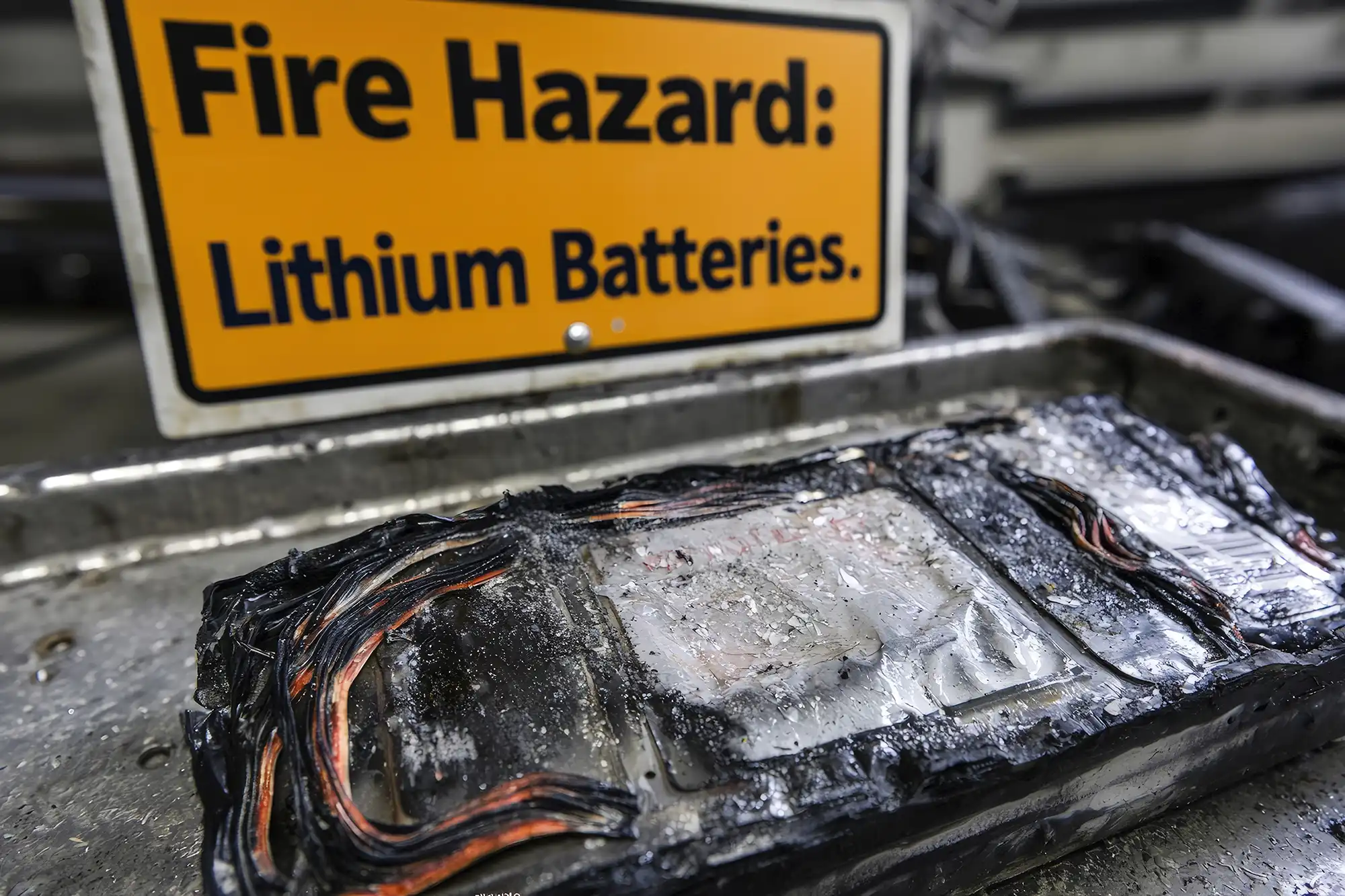
What is Thermal Runaway? Thermal runaway is a dangerous phenomenon that can occur in batteries, especially lithium-ion batteries, when they experience an uncontrolled increase in temperature. This temperature rise can lead to a rapid and self-sustaining increase in temperature, ultimately resulting in the release of energy and potentially leading to battery failure, fires, or even explosions.
The process of a Thermal Runaway
The process of thermal runaway typically occurs in stages:
- Causes: Thermal runaway can be caused by various factors, such as overcharging, physical damage to the battery, manufacturing defects, and exposure to high temperatures. These causes can lead to a disruption of the chemical process within the battery.
- Exothermic Reaction: As a result of the disruption, an exothermic reaction occurs, releasing uncontrolled energy within the battery. This leads to a further increase in temperature.
- Self-reinforcing Process: The increased temperatures within the battery cause more reactions and heat, resulting in a self-reinforcing process. This means that the temperature continues to rise, increasing the risk of thermal runaway.
- Short Circuit and Gas Formation: As the temperature continues to rise, the separator in the battery can be damaged, leading to a short circuit. At the same time, gas formation within the battery can increase pressure, raising the risk of an explosion.
- Explosion Risk: The combination of increased temperature, short circuit, and gas formation creates a situation with a high risk of explosion. The pressure buildup within the battery can ultimately result in an explosive release of energy.
Solutions and Safety Measures
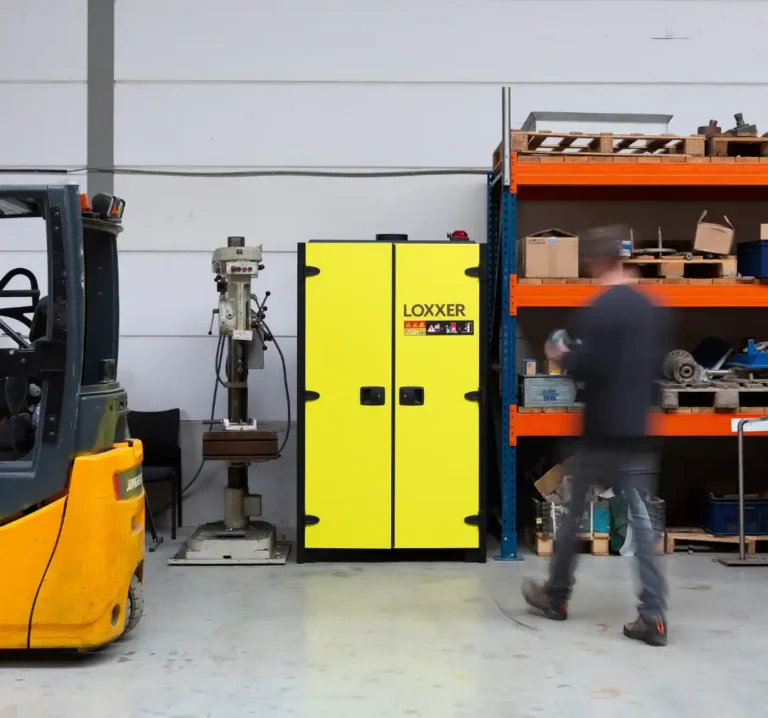
At LOXXER, we understand the risks of thermal runaway and offer solutions to minimize these dangers. Our products are designed with advanced safety features and are tested to ensure the highest safety standards.