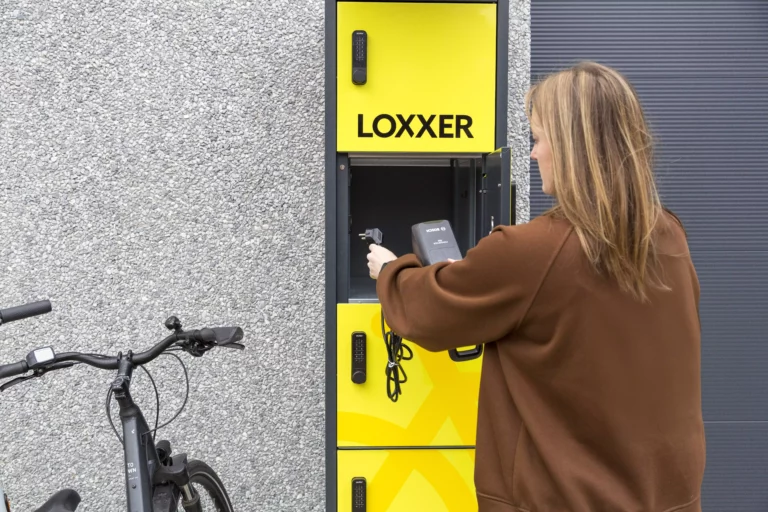
Lithium-ion (Li-ion) batteries are now found everywhere, from electric vehicles and bicycles to smartphones and tools. Although these batteries are known for their high energy density and long lifespan, extreme temperatures can affect their performance and safety. In this blog, we discuss how cold weather impacts Li-ion batteries and what you can do to protect them.
How does cold affect Li-ion batteries?
Cold temperatures have a significant impact on the chemical processes within Li-ion batteries. At low temperatures, the chemical reactions responsible for charging and discharging the battery slow down. This can lead to reduced capacity and slower charging and discharging times.
1. Reduced performance
At temperatures below 0°C, the battery can drain much faster. This is because the internal resistance of the battery increases, making it harder to use energy effectively. Electric vehicles may have a shorter range as a result, and devices like smartphones may shut down more quickly.
2. Damage from charging in the cold
One of the biggest risks of cold weather is charging the battery at too low temperatures. Charging below 0°C can lead to “lithium plating,” where lithium deposits on the anode of the battery. This can irreparably damage the battery and even become dangerous due to short-circuiting.
3. Safety implications
While cold weather does not directly cause thermal runaway (unlike what happens at high temperatures), damage from improper charging in cold conditions can later lead to safety issues when the battery warms up again. Damaged batteries may have a higher risk of overheating and even exploding.
Are you also looking for protection for your batteries?
Request more information without obligation.